
Phoenix Series - Liquid Gas Fired Thermal Oil Heater
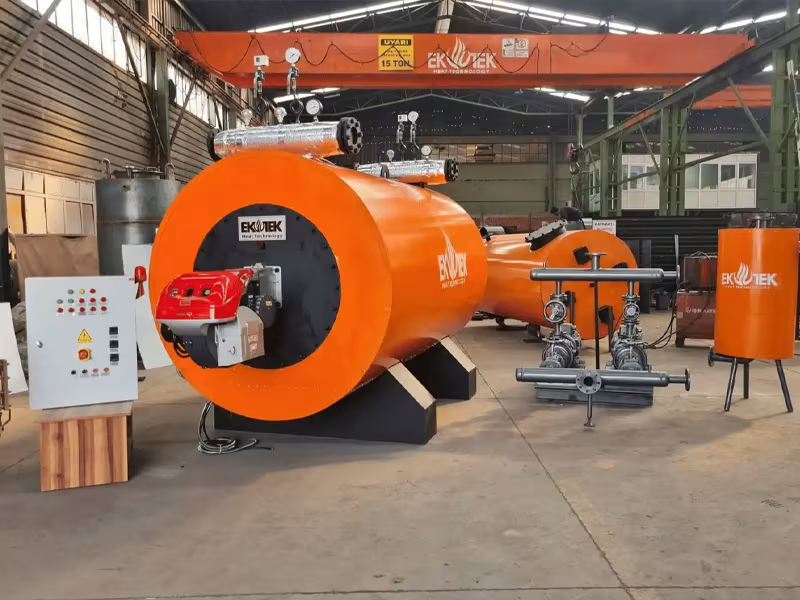
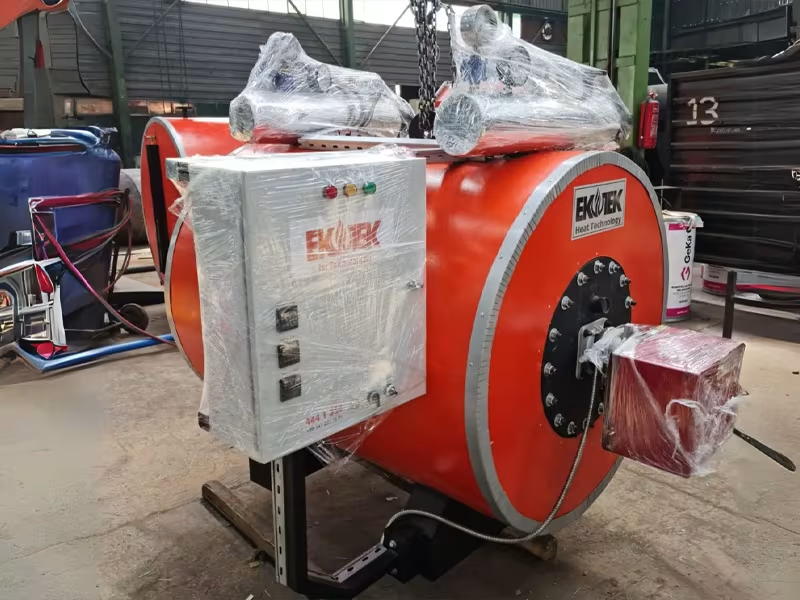
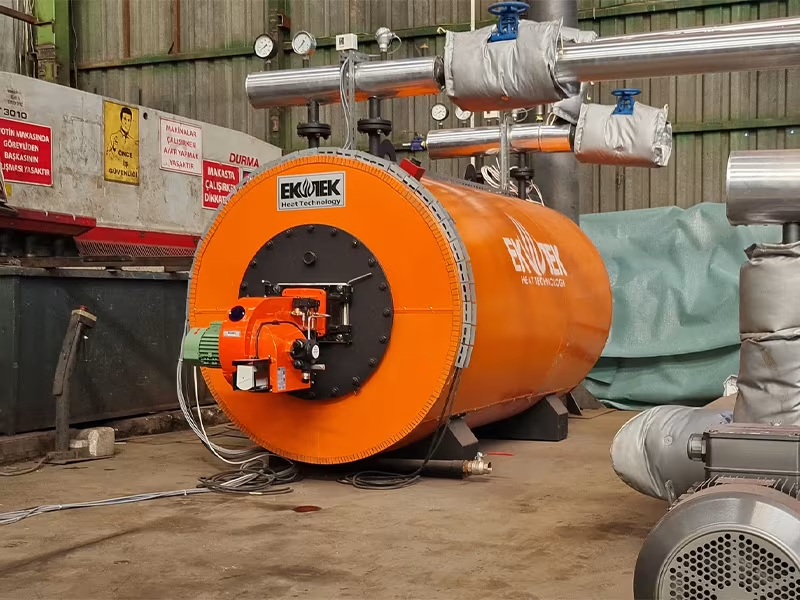
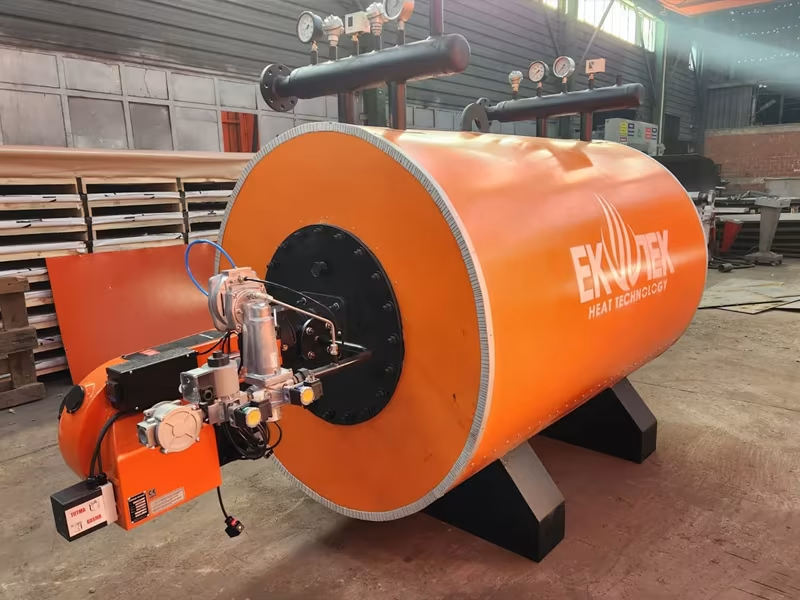
Phoenix Series liquid-gas fired thermal oil heater operates at high temperatures and low pressures and can be safely used in processes where high temperatures are required.
Although the Phoenix Series and other thermal oil heaters operate at low pressure, they can produce steam, hot water, and hot air for certain processes when equipped with the necessary components. The heat transfer oil used in the system can be used for a long time as it does not cause negative effects such as coking, scaling, sedimentation, or corrosion in the heater.
There is no need for any conditioning unit in the heat transfer oil. Upon request, Ekotek heating technologies can design these heaters as portable mobile systems.
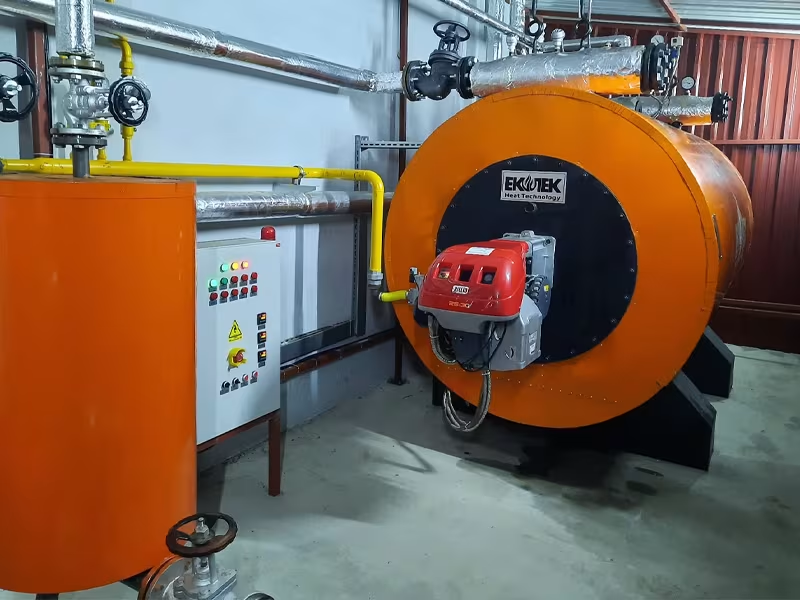
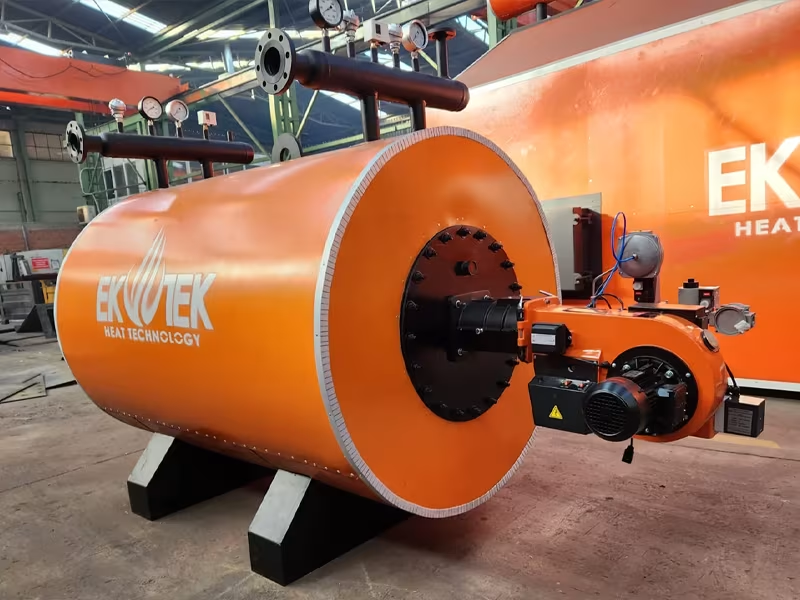
Technical Specifications
Heat Capacity
100,000 Kcal/h – 10,000,000 Kcal/h - 116 kW - 11628 kW
Operating Temperature
60°C - 320°C
Design Type
Horizontal 3-pass, coil-type with P235 GH seamless steel pipes according to TS EN 10217-2 standard
Fuel Type
LNG, Propane, CNG, Natural Gas, LPG, Biogas, Diesel, Fuel oil, or dual fuel
Burner
Compatible with Universal Burners
Control Panel
Digital Temperature Controlled
Flue Outlet
Rear flue with heat safety sensor
Heat Transfer Oil Inlet/Outlet
PN 40 Flanged Type
Optional Features
PLC touch control - HMI screen, Modbus, TCP, and other communication protocols
Expansion Tank Connection
Compatible with open and closed type expansion tanks as requested
Mobile Portable Boiler System
Maximum capacity of 2,500,000 Kcal/h
HS Code
840220000000
Phoenix Series liquid gas-fired thermal oil heaters are reliable due to their low operating pressure. Operating and maintenance costs are low. Compared to other heating fluids, thermal oils have higher thermal conductivity coefficients. Due to the high thermal conductivity coefficients, higher heat transfer is achieved with less fuel energy.
The modern design ensures fuel savings. Necessary safety measures have been taken by integrating the required control and automation equipment into the system. Each production begins under computer-aided design control.
About Company
Since 1995, when Climatech was established in Riyadh, the company has become a pioneer in air treatment solutions (humidification, dehumidification, and misting systems), as well as solar and electric water heating systems, and MEP works in Saudi Arabia
Quick Links
Our Products
- De Humidifier
- Air Curtains
- Humidifier
- Heat Pumps
- Solar Water Heaters