
Heat Pump Water Heaters in Dubai, UAE
Our heat pumps are engineered to deliver top-tier energy efficiency and reliable heating and cooling performance. We source insights from the world’s leading brands, such as Daikin and Mitsubishi Electric, known for their cutting-edge technology and exceptional durability. Heat pumps offer a versatile solution for year-round comfort by efficiently transferring heat rather than generating it, making them an eco-friendly and cost-effective choice. Whether for residential, commercial, or industrial applications, our heat pumps ensure optimal indoor climate control with minimal environmental impact.
Heat pumps pair well with solar water heating for buildings that need consistent hot water year round.
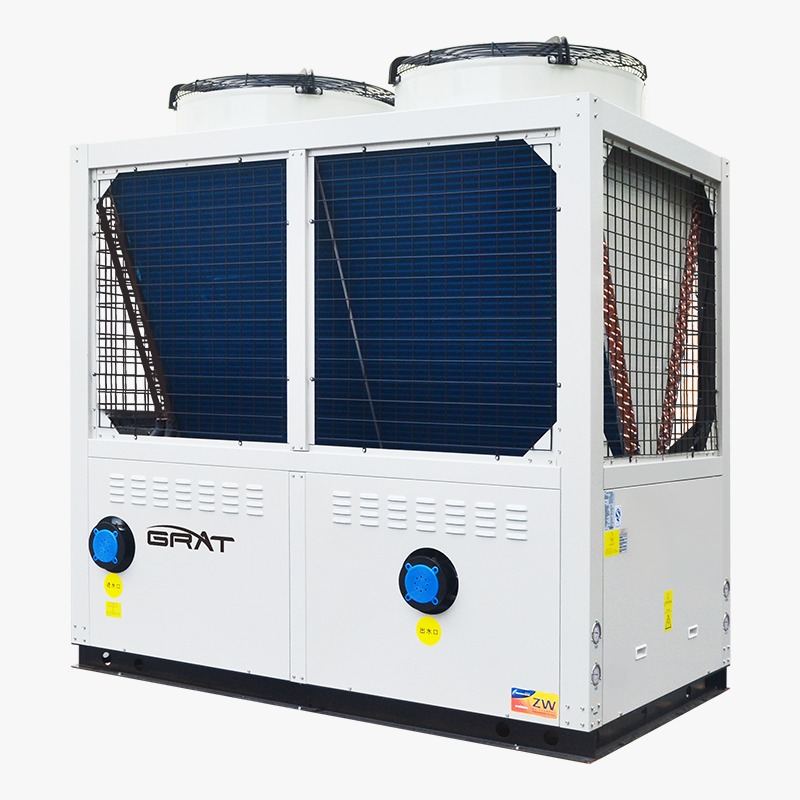
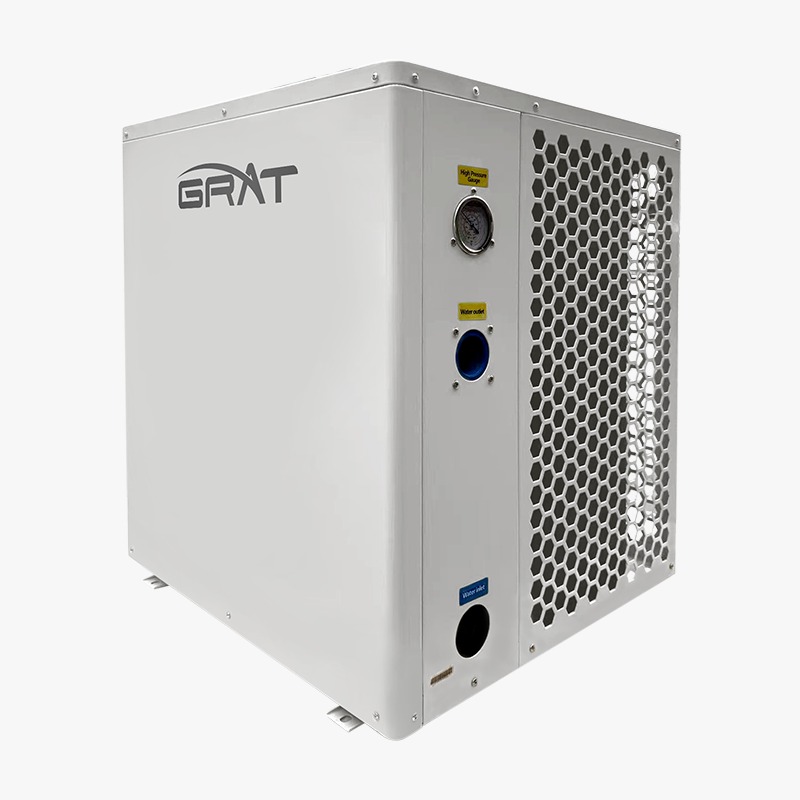
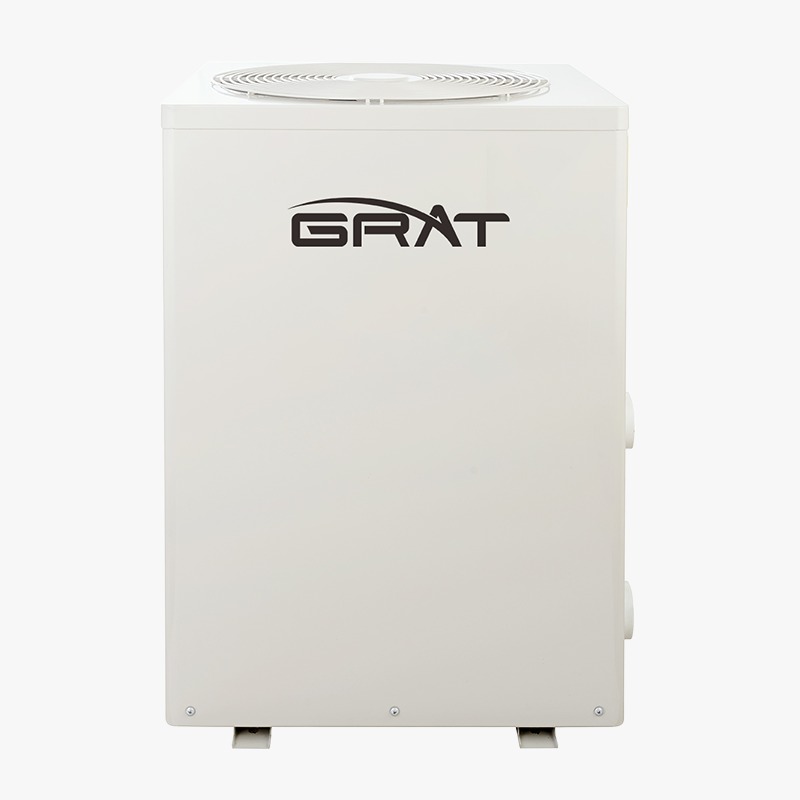
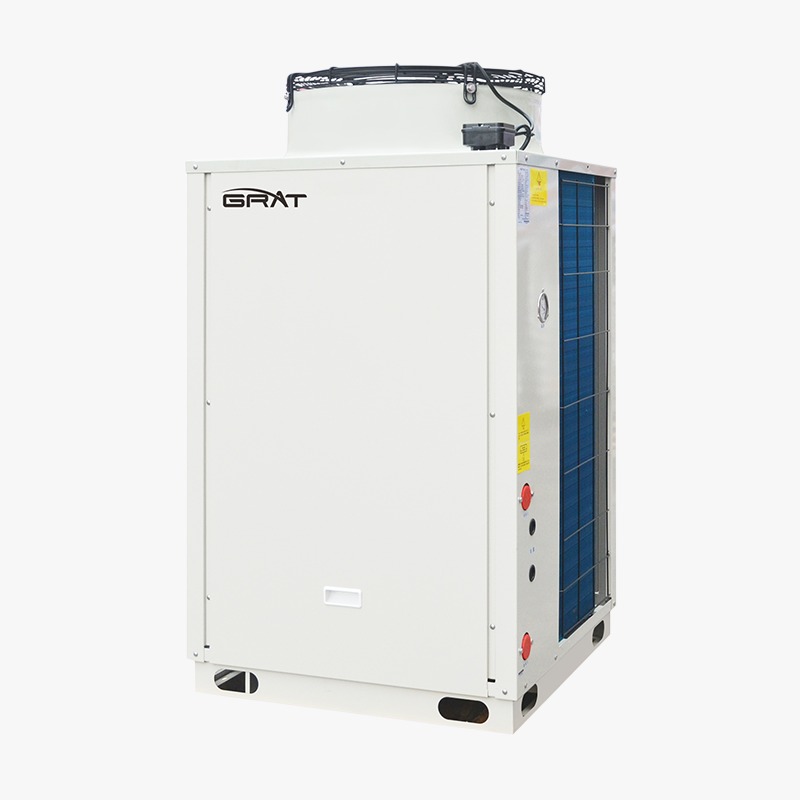
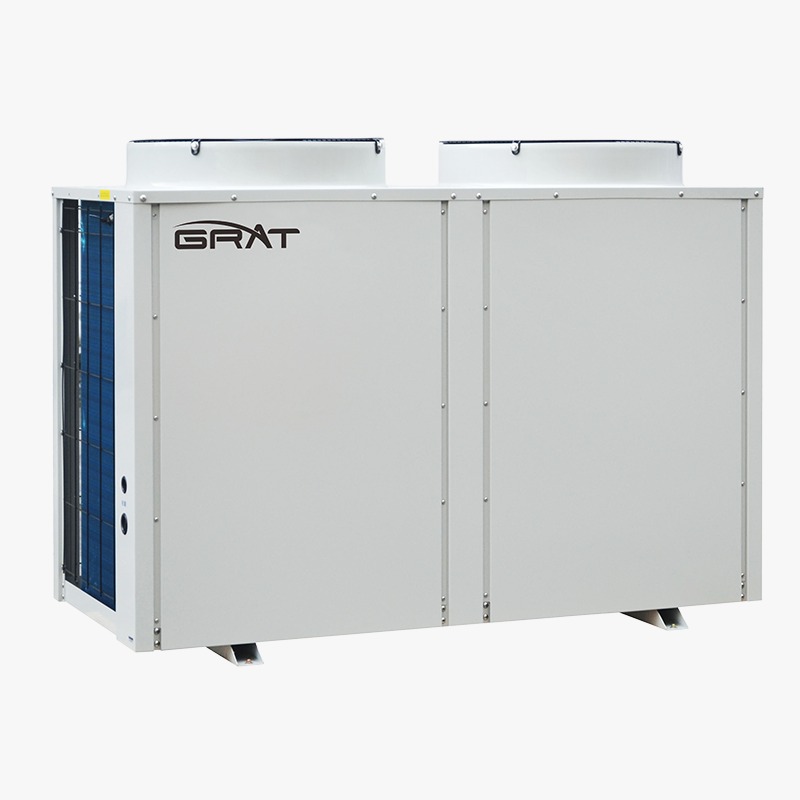
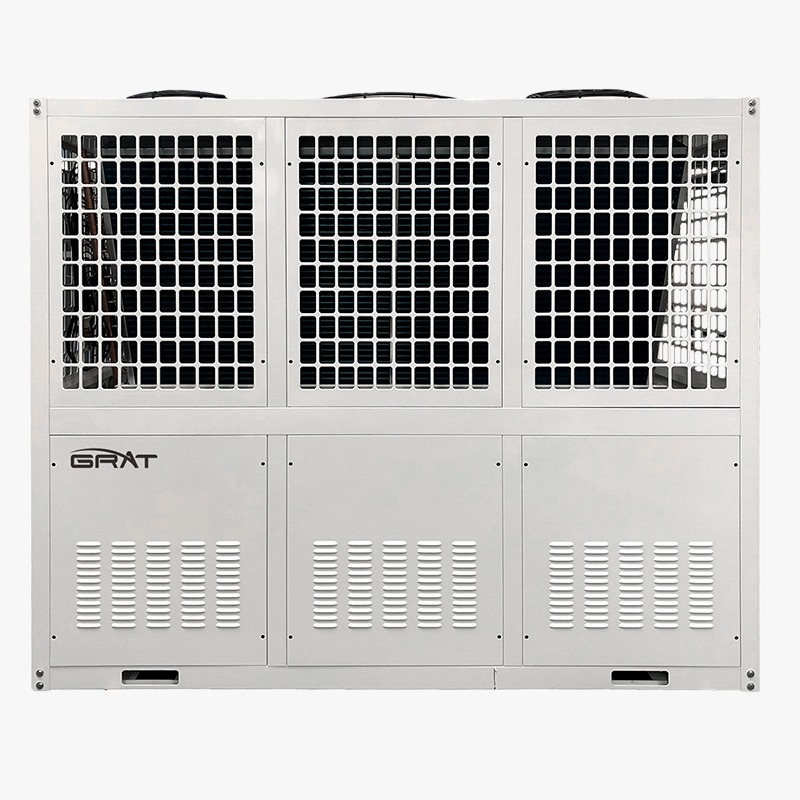
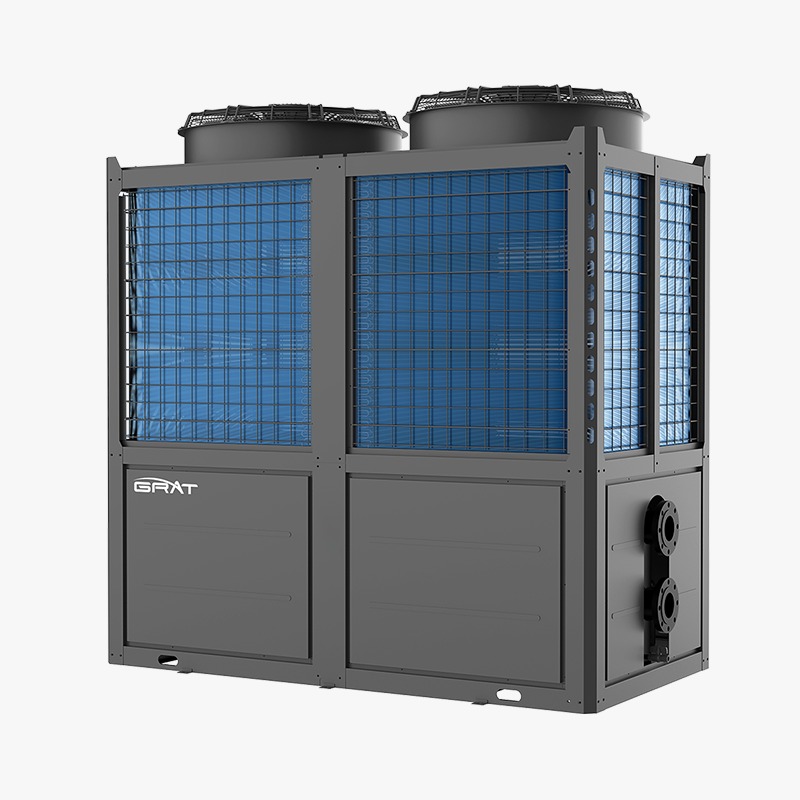
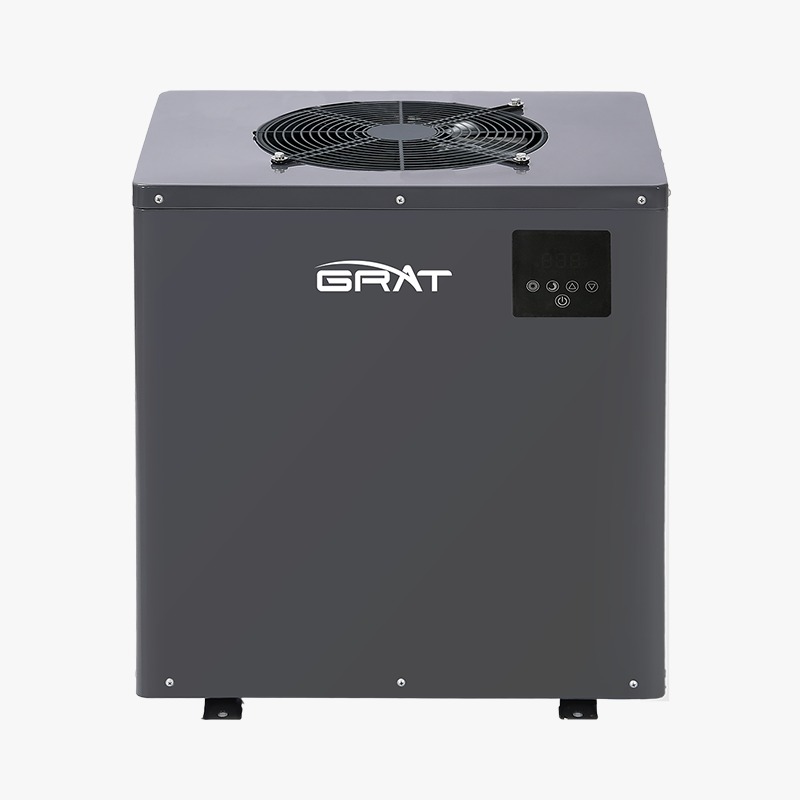
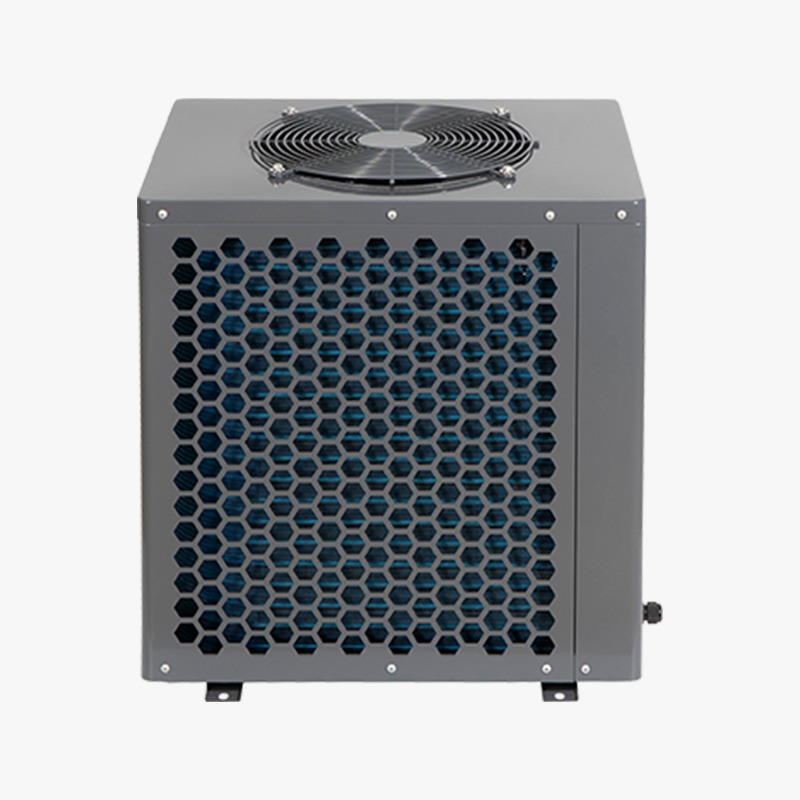
How a heat pump water heater works
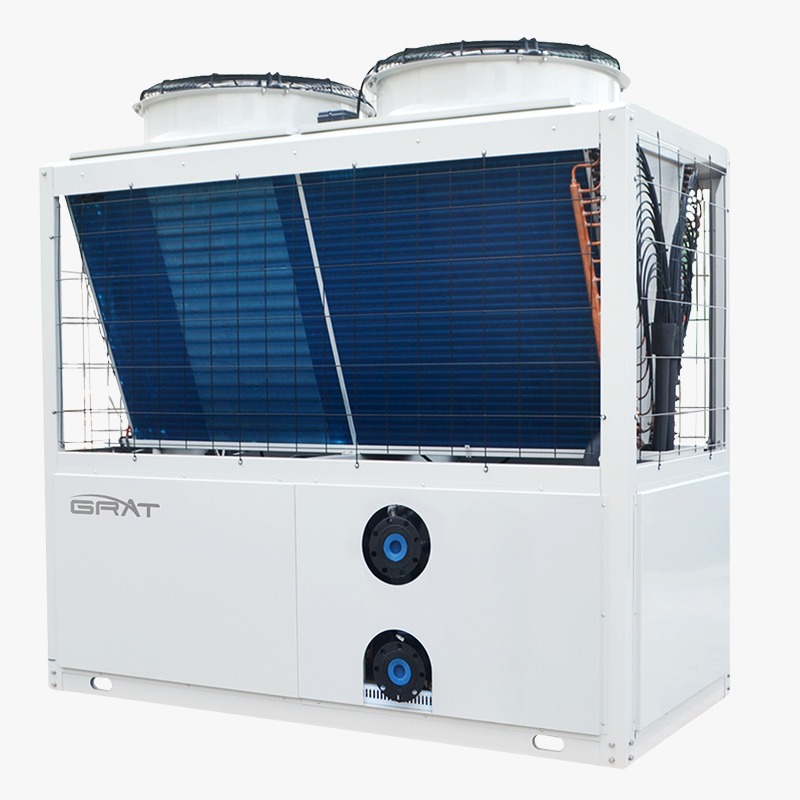
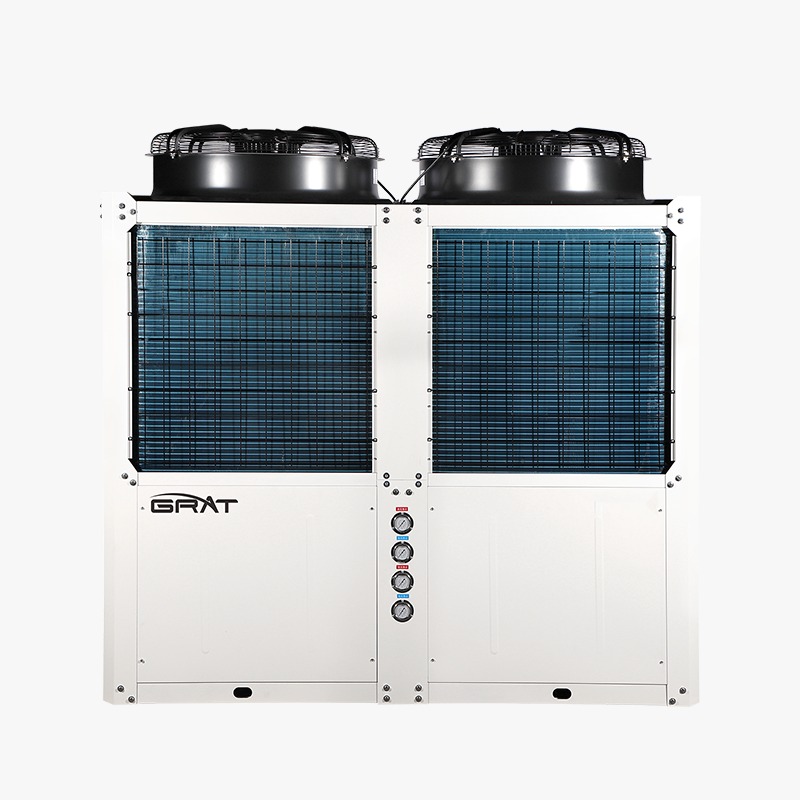
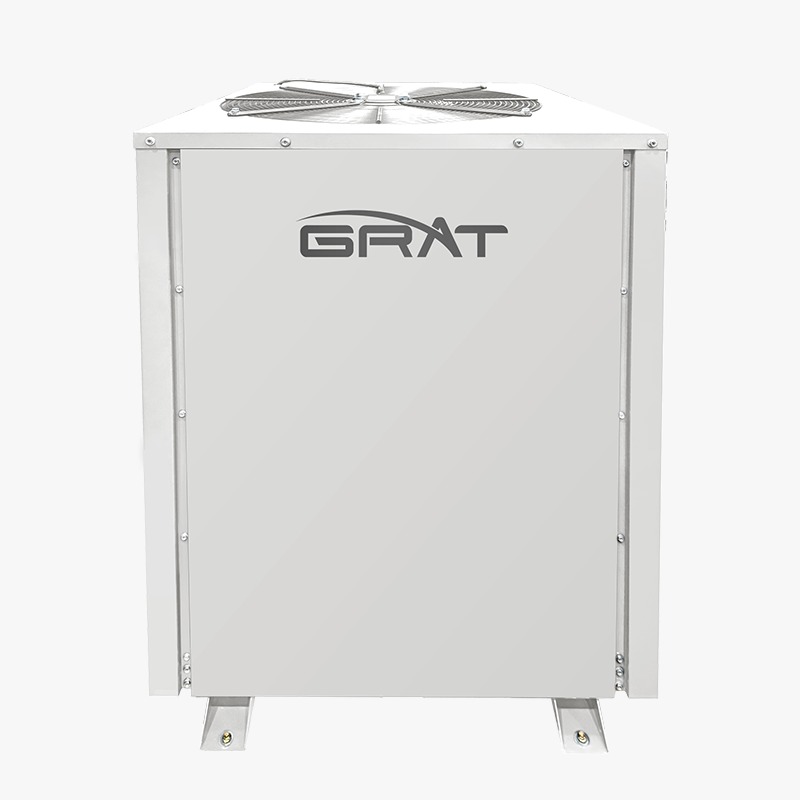
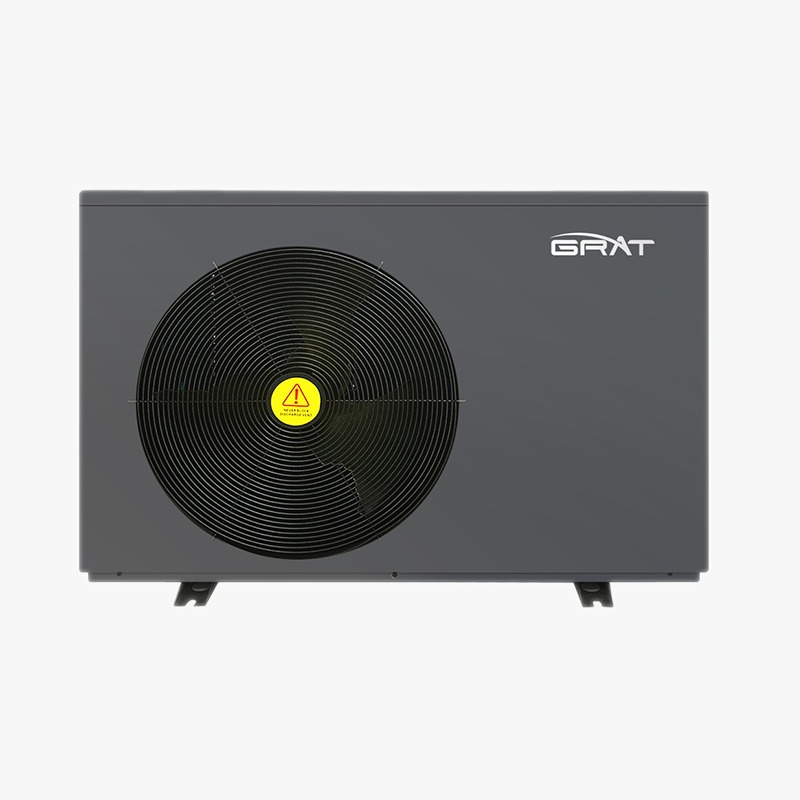
A heat pump water heater does not create heat, it moves it. A fan draws ambient air across an evaporator coil containing refrigerant. The refrigerant absorbs warmth from that air, a compressor raises its temperature, and the heat is transferred into the water in the storage tank. The cooled, dried air is then exhausted.
Because the unit is moving existing heat rather than generating it with a resistive element, it delivers considerably more heat energy than the electrical energy it consumes. That ratio is the reason heat pumps are the most efficient way to produce hot water in a warm climate, and it is why they are increasingly specified on new UAE developments.
Why heat pumps suit the UAE particularly well
Air source heat pumps get more efficient as the surrounding air gets warmer. In cold climates their performance falls away in winter and a backup heat source is often needed. The UAE has the opposite problem to solve, and it works entirely in the technology’s favour: ambient air here is warm for most of the year, so a heat pump operates near the top of its efficiency range almost continuously.
There is a secondary benefit that is easy to overlook. The unit discharges cool, dehumidified air. Sited thoughtfully next to a plant room, store or utility area, that exhaust is useful rather than wasted.
Domestic hot water for villas and apartments
For a villa or an apartment block, a heat pump replaces the electric immersion cylinder that typically carries the hot water load. Water heating is one of the largest single electrical loads in a UAE home, so moving it onto a heat pump reduces the electricity drawn to produce the same volume of hot water.
Systems are usually specified as either a monobloc unit with an integrated tank, which suits single villas and is quicker to install, or a split arrangement with a separate cylinder, which gives more flexibility on where components sit and scales better for buildings with several bathrooms or higher simultaneous demand.
Swimming pool heat pumps
Pool heating is the other common application, and the economics are stronger still. A pool is a large volume of water held at a moderate temperature rather than a small volume held hot, which is exactly the duty a heat pump handles most efficiently.
Pool units are sized against surface area, the temperature you want to hold, whether the pool is indoor or outdoor, and critically whether a cover is used. A cover makes a substantial difference to running cost because most of a pool’s heat loss is evaporation from the surface. We would rather specify a correctly sized unit alongside a cover than oversize the plant to compensate for an uncovered pool.
Sizing: getting the capacity right
Undersizing and oversizing both cost money, in different ways. An undersized unit runs continuously and still fails to meet peak demand, usually noticed as hot water running out in the morning. An oversized unit short cycles, which wastes energy and shortens compressor life.
Correct sizing depends on the number of occupants and bathrooms, the pattern of demand across the day, the incoming water temperature, and where the unit can physically be sited with adequate airflow. For pools it depends on volume, surface area and target temperature. We size against actual demand rather than applying a rule of thumb, because on this equipment the rule of thumb is usually wrong in one direction or the other.
Installation requirements
Heat pumps need a clear supply of ambient air and room for it to discharge. A unit boxed into a tight enclosure will recirculate its own cooled exhaust and its efficiency will fall away, which is one of the most common causes of a system that never quite performs as expected.
The other practical considerations are a condensate drain, adequate electrical supply, and siting that keeps the fan a sensible distance from bedroom windows. None of these are difficult, but all of them are much easier to resolve before installation than after.
Running costs and what affects them
Efficiency varies with ambient temperature, the water temperature you are asking the unit to reach, and how well the system is sized and sited. Asking a heat pump to deliver water hotter than you actually need is one of the more common causes of disappointing running costs, because efficiency drops as target temperature rises.
For a realistic estimate on your building we would need your current consumption and demand pattern. We would rather work from your figures than quote a generic saving percentage that may not hold on your site.
Maintenance and servicing
Heat pumps are low maintenance but not maintenance free. The main service items are keeping the evaporator coil and fan clear of the dust that accumulates quickly in this region, checking refrigerant pressures, verifying the condensate drain is clear, and inspecting the tank and its anode where one is fitted.
A fouled coil is the single most common cause of gradually worsening performance. It rarely fails outright, it simply gets less efficient month by month until someone notices the electricity bill. Climatech services heat pump systems as well as supplying and installing them.
Frequently asked questions
Does a heat pump work at night or when it is cooler?
Yes. Efficiency varies with ambient temperature, but UAE overnight temperatures remain well within normal operating range year round. Systems are also specified with tank storage so hot water is available regardless of when the unit ran.
Are heat pumps noisy?
They contain a fan and a compressor, so they are not silent, though modern units are considerably quieter than older equipment. Noise is mainly a siting question, and it is worth resolving at design stage rather than afterwards.
Can a heat pump replace my existing electric water heater?
In most cases yes. The main things to check are available space with adequate airflow, the electrical supply, and a route for condensate. Send us a photo of the current installation and we can tell you what is involved.
How long do heat pump water heaters last?
Service life depends heavily on maintenance, siting and water quality. Units kept clean, correctly sized and not run at unnecessarily high target temperatures last considerably longer than those that are not.
Can you heat a pool and supply domestic hot water with one system?
They are normally separate systems because the duties are different. Talk to us about the specific property and we will advise what makes sense.
Talk to us about your building
Call +971 54 574 2443 or email info@climatech.ae with the property type, the number of bathrooms or the pool dimensions, and what you are running at the moment. That is enough for us to advise on the right capacity and configuration.
If you are comparing options, our solar water heaters page covers the alternative for properties with usable roof space, and electric hot water storage tanks covers straightforward replacements. For existing solar systems that have stopped performing, see solar water heater repair.
About Company
Since 1995, Climatech has been a pioneer in air treatment solutions including humidification, dehumidification and misting systems, as well as solar and electric water heating and MEP works. Climatech UAE operates from Dubai, serving clients across the Emirates.