
Dehumidification Solutions in UAE
Engineering-led humidity control for warehouses, cold stores, pools, food, pharma and industrial facilities.
Selected around temperature, moisture load, infiltration and target RH.
- Free technical consultation
- Fast and accurate quotations
- Site survey when required
- Clear warranty terms
- Local after-sales support
Get a Dehumidifier Selection
Humidity Problems We Solve
Mould & Corrosion
Process Moisture
Infiltration
Browse by Application
Choose the application that best matches your environment and explore the most suitable dehumidification system for your space.
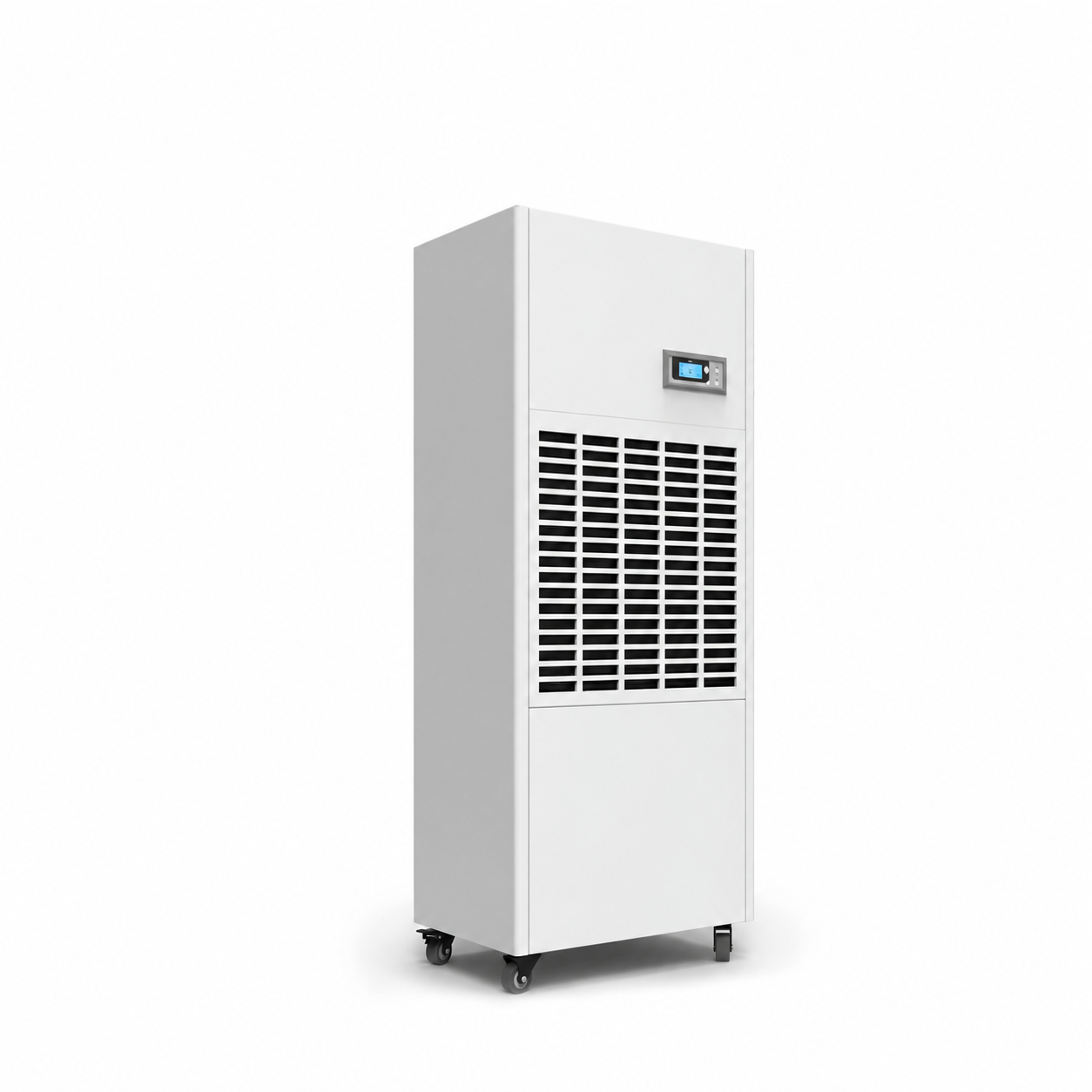
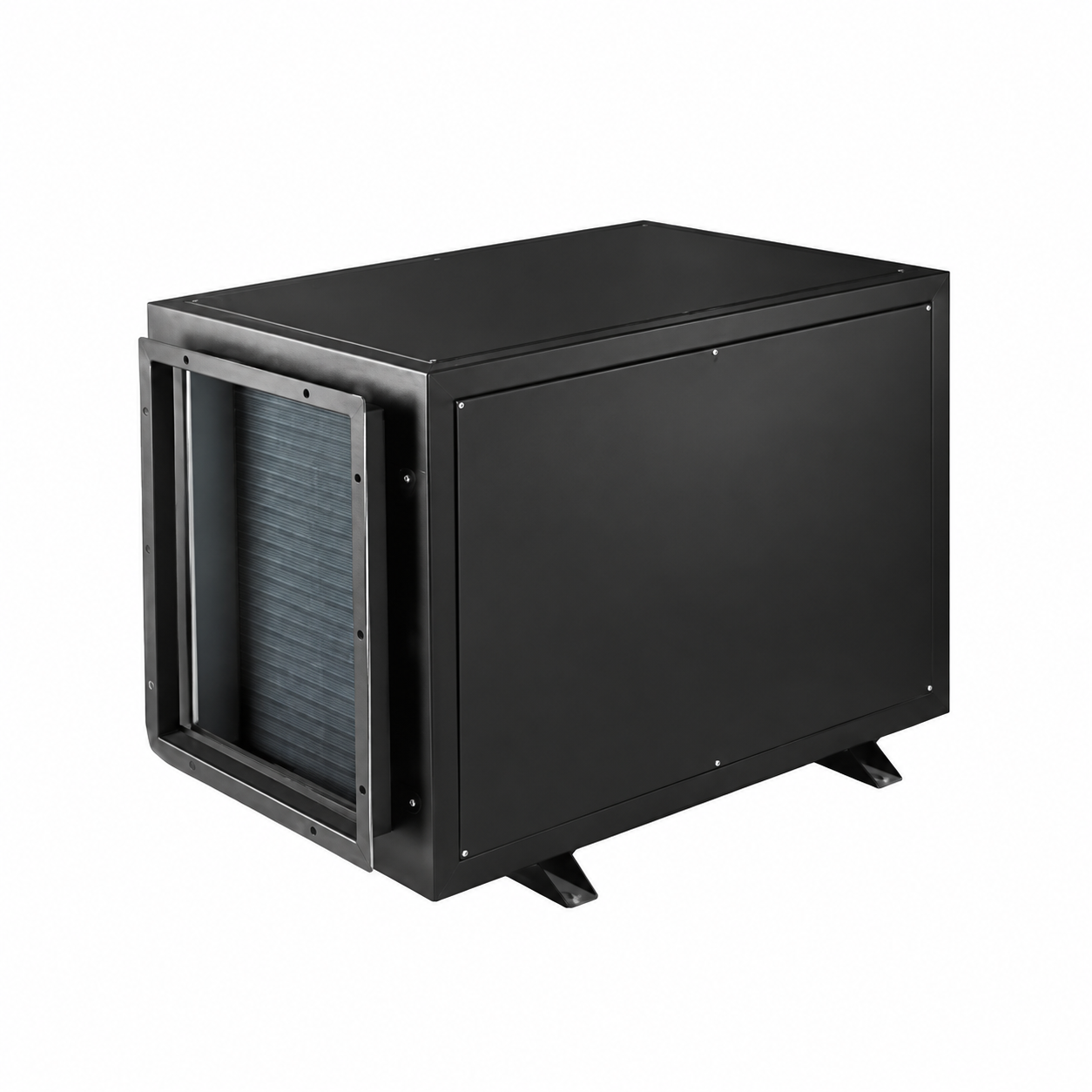
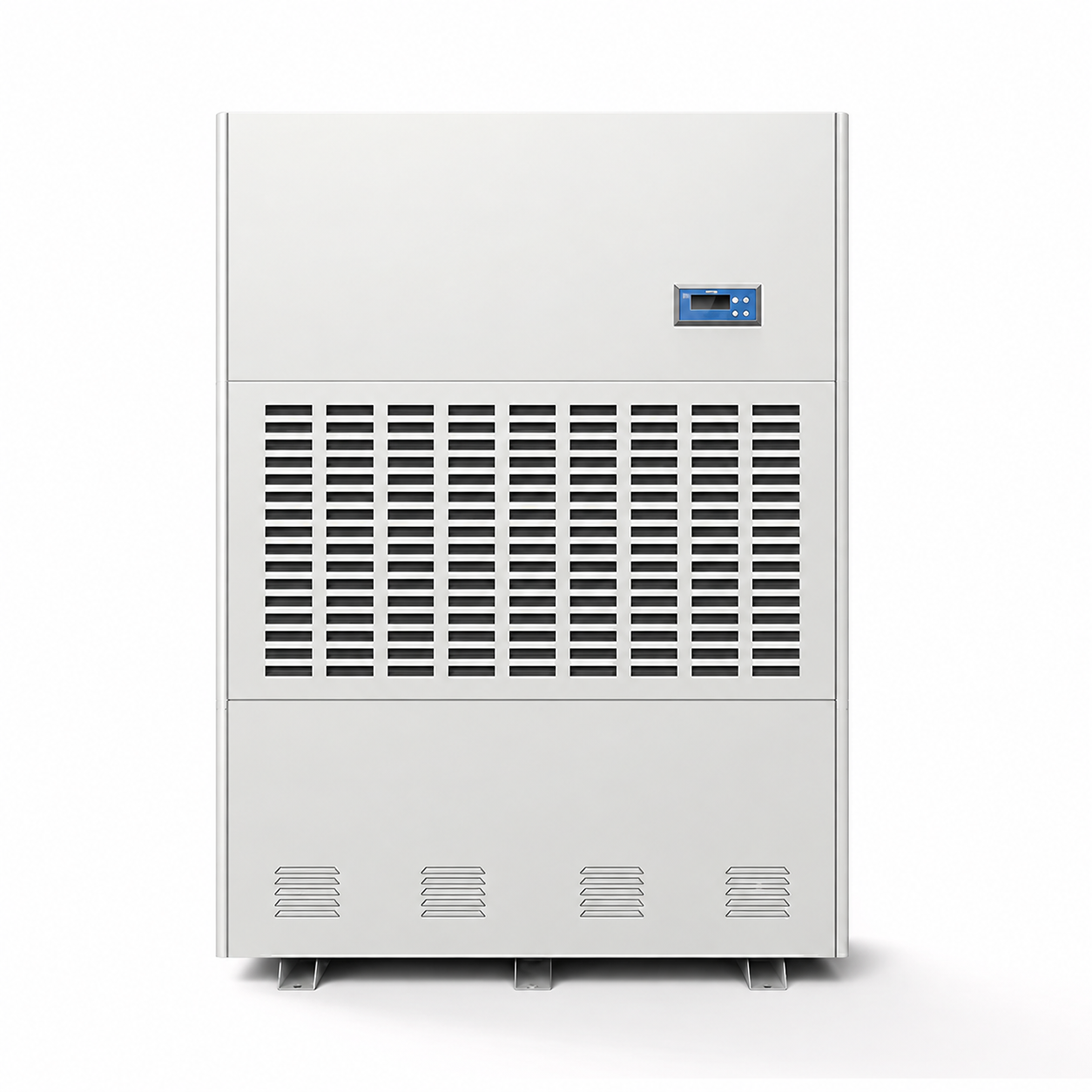
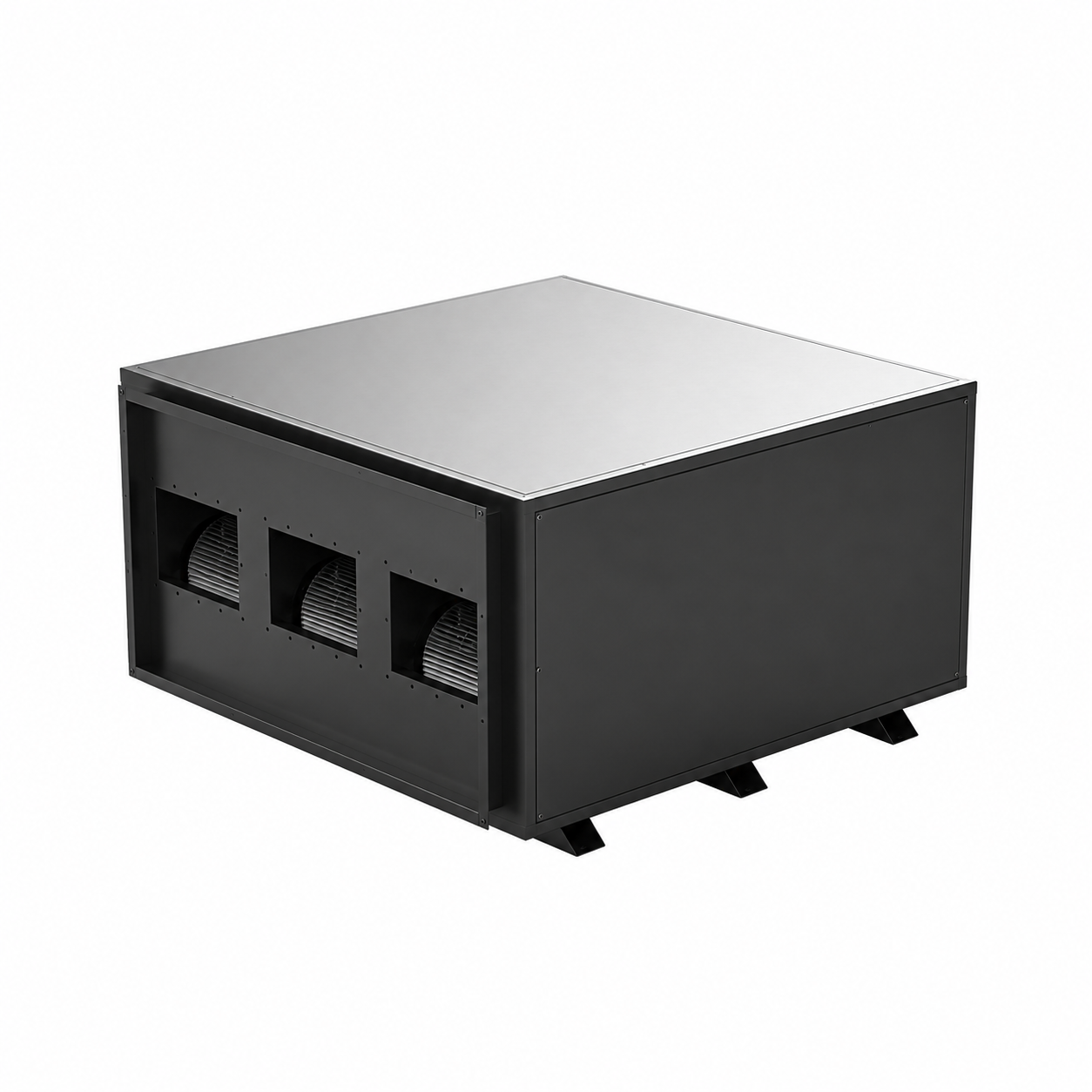
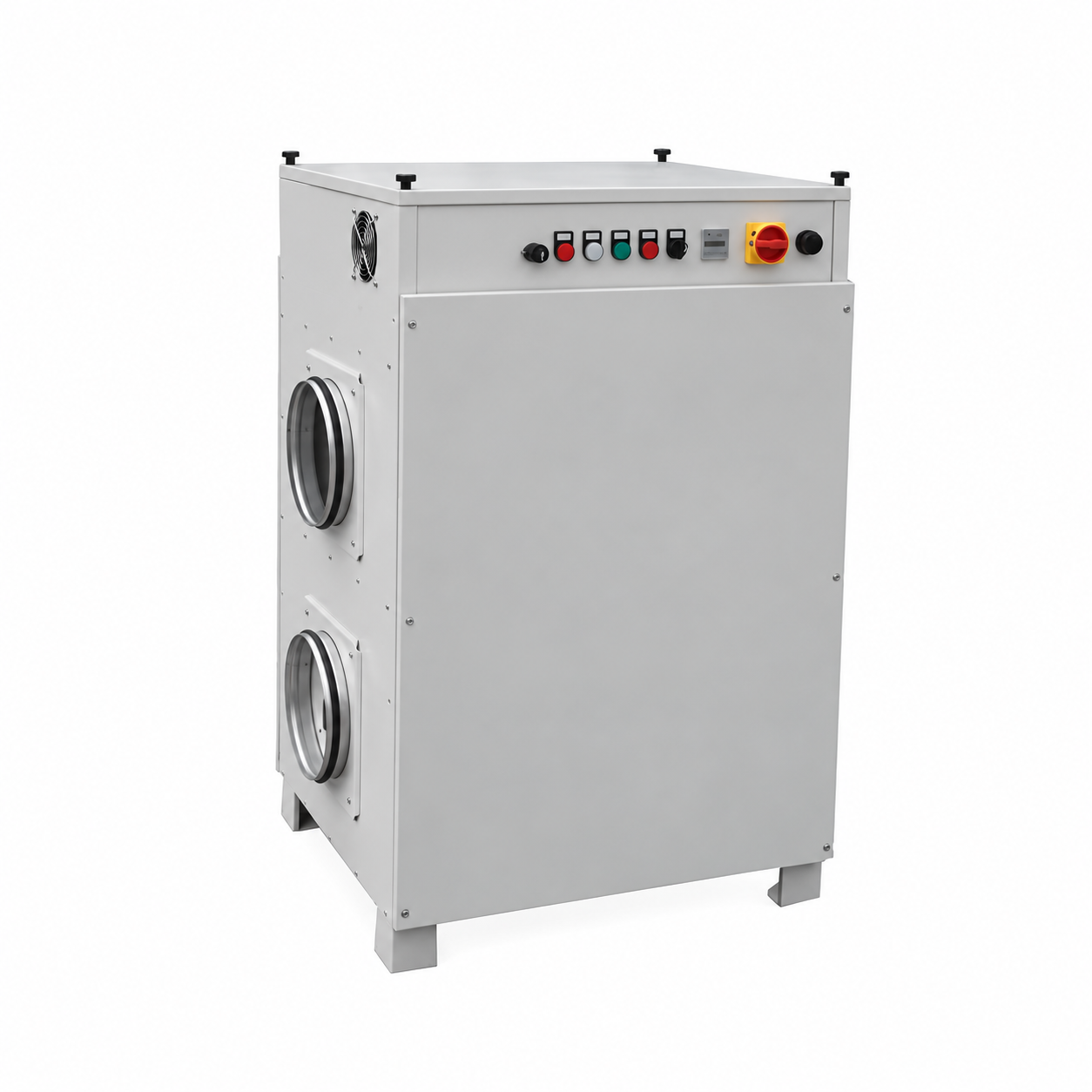
Choosing a dehumidifier for a UAE building
Climatech supplies, installs and services industrial and commercial dehumidifiers across Dubai and the Emirates. Refrigerant and desiccant units, in portable, floor standing and ceiling ducted formats, for swimming pools, warehouses, cold stores, plant rooms, basements, production areas and anywhere humidity is damaging the building, the stock or the process.
The right unit depends on the space, the temperature it runs at and the humidity you need to hold. Two rooms of identical floor area can need machines five times apart. That is why we would rather size against your building than quote a product code, and why the selection form on this page asks for temperature and target humidity rather than just square metres.
Where the moisture actually comes from
Most damp problems in UAE buildings are not caused by leaks. They are caused by warm humid outdoor air meeting cooled indoor surfaces. Every time a door opens, every gap in the building envelope and every unbalanced ventilation system brings in air carrying far more moisture than the cooled space can hold. When that air touches a cold wall, a chilled water pipe or an air conditioning duct, the moisture condenses out of it.
Then there is the moisture generated inside the building. Pools and water features evaporate continuously. Washing, cooking, drying and wet processes all release vapour. People do too. In a basement or a ground floor space, moisture often migrates up through the slab as well.
Air conditioning removes some of this as a by-product of cooling, but it is built to control temperature, not humidity. Once the thermostat is satisfied the compressor stops, and moisture removal stops with it. That is why a building can feel cold and clammy at the same time, and why a dehumidifier is a separate machine solving a separate problem.
What uncontrolled humidity costs
Mould and microbial growth. Sustained high humidity supports mould on walls, ceilings, soft furnishings and inside ductwork. It damages the building, it creates an indoor air quality problem, and remediation costs many times what prevention would have.
Corrosion. Metal corrodes faster in humid air. In plant rooms, electrical rooms and workshops that means shortened equipment life and unplanned failures.
Condensation damage. Water forming on cold surfaces stains ceilings, lifts paint, soaks insulation and drips onto whatever sits below.
Stock and material damage. Packaging softens, labels lift, powders cake, electronics fail, timber moves, and documents and archives deteriorate.
Process problems. Coatings will not cure properly, adhesives fail, and anything hygroscopic changes weight and dimension in storage.
Which type of unit your space needs
Swimming pool dehumidifiers. Pool halls are the most demanding common application in this market. A pool evaporates all day, and the moisture lands on the coldest surfaces first: the glazing, the steel and the underside of the roof. Chlorinated moisture is far more aggressive than plain damp, so pool units are built with corrosion resistant coils and casings, and they are sized on how much water the pool evaporates rather than on room volume. Villa pools, spas and commercial pool halls.
Industrial and commercial dehumidifiers. Refrigerant units in three formats. Portable, for construction drying, water damage and seasonal problems, moved to wherever the problem is. Floor standing, for warehouses, production areas and large halls. Ceiling ducted, for hotels, spas and plant rooms where floor space matters and nobody should have to think about the machine.
Desiccant dehumidifiers. A refrigerant unit works by cooling air until moisture condenses out, which is efficient in a warm building and is what we recommend most of the time. It loses effectiveness as air gets colder, and below roughly ten degrees it spends more time defrosting than drying. A desiccant unit uses a rotating wheel that absorbs moisture directly, so temperature barely affects it, and it reaches far lower humidity than a refrigerant machine can. Cold stores, chilled production, pharmaceutical storage, and anywhere the target sits well below forty percent relative humidity.
How a unit gets sized
Buying by floor area is the most common way to end up with the wrong machine. What actually decides it is ceiling height, how much outside air gets in, how much moisture is being generated inside, and how dry the space genuinely needs to be. A basement store and a gym changing room of identical footprint are completely different jobs.
The capacity printed on the box is also only true at the conditions it was tested at. A unit rated at 50 litres a day in warm humid air removes considerably less in a cooler space, which is why our capacities are quoted with the temperature and relative humidity they apply at.
Before you buy anything, measure the room, note the ceiling height, check whether doors and shutters stay open, and take a humidity reading morning and evening. Those few figures tell us more than floor area ever will. There is a fuller explanation in our guide to what size dehumidifier you need in the UAE.
One thing worth knowing before you spend: sealing the space usually beats buying a bigger machine. A dehumidifier fighting a continuous stream of humid air through an open shutter will run permanently and still not reach setpoint.
Installation, drainage and servicing
A dehumidifier produces water, and that water has to go somewhere. Small portable units fill a tank that somebody has to empty, which is fine for a week and useless for a year. Any permanent installation should be plumbed to a drain, or fitted with a condensate pump and a float switch that stops the unit if the drain blocks.
In this climate the drain line itself needs attention. Hard water scales it and warm conditions grow slime in it. An accessible cleaning point on the line, checked at each service, prevents the ceiling stain that otherwise appears a year later.
Dust builds quickly here. It coats the coil, blocks the filter and reduces airflow, and the unit removes a little less water every month while running the same hours. The humidity in the space creeps back up, and the first sign is usually the electricity bill rather than a fault light. Servicing covers filters, coil, drain and condensate pump, refrigerant charge and controls, and on desiccant units the wheel and the regeneration circuit. In pool halls we recommend every six months rather than annually, because chlorinated air is harder on the equipment.
We service dehumidifiers across Dubai and the UAE, including systems we did not originally supply where we are able to.
Common questions
Will air conditioning not do this already? Only partly, and only while it is running. Air conditioning dehumidifies as a side effect of cooling. Once the room reaches temperature the compressor stops and so does the drying, while humid air keeps arriving. A dehumidifier holds a humidity setpoint regardless of temperature.
What humidity should I be aiming for? For most occupied spaces, between 45 and 60 percent relative humidity is comfortable and safe for the building. Pool halls are usually held around 50 to 60 percent. Cold stores, pharmaceutical areas and low moisture production run much lower, which is where desiccant units come in.
Portable or fixed? Portable suits a temporary problem: construction drying, flood recovery, a seasonal issue, a small villa pool. If the problem is permanent, a fixed unit plumbed to a drain costs less to run and nobody has to remember to empty it.
Do you install, or only supply? Both, and we service as well. Most of the value is in specifying the right machine and installing the drainage properly before the ceiling is closed.
How quickly can you tell me what I need? Send the details in the form on this page. With the room dimensions, the temperature and your target humidity, we can usually come back with a sized selection without a site visit. Where the space is complicated, we will say so and arrange a survey.
Get a Dehumidifier Selection
Send us the details of the space and we will come back with a sized selection from the range. The more of the fields below you can fill, the more accurate the first answer will be.
About Company
Since 1995, Climatech has been a pioneer in air treatment solutions including humidification, dehumidification and misting systems, as well as solar and electric water heating and MEP works. Climatech UAE operates from Dubai, serving clients across the Emirates.
Quick Links
Our Products
Free technical consultationFree consultation
Site survey when requiredSite survey
Local after-sales supportAfter-sales support
Fast and accurate quotationsFast quotations
Clear warranty termsWarranty